Dark Horse and the Fine Line Between Culture, Money, and Power

The debate surrounding the biopic about Jair Bolsonaro raises, in a contemporary context, an age-old question: when does cultural expression remain within the realm of artistic freedom, and when does it begin to produce politically sensitive effects that require heightened public scrutiny? As Martin Scorsese observed,


The Court of Intolerance: Freedom of Expression and the Abyss of Digital Lynching

The history of Brazilian journalism is rife with episodes that have evolved from mere tragic mistakes into prophecies. The case of Escola Base remains the most instructive and cruel example of this phenomenon: an investigation into alleged child abuse in 1994 that, driven

Political polarization: Is this the real threat to democracy?

If democracy dies in the silence of forced consensus, it rots away in the deafening noise of incivility. Contemporary political analysis is mired in a lazy diagnosis: polarization. It is spoken of as if it were an unprecedented pathology, a virus that suddenly infected the body

The Crisis of the Fourth Estate in an Age of Uncertainty

We are witnessing the end of an era of top-down truth—that period when major media outlets held almost exclusive control over the narrative of events, delivering the news with an almost priestly and unquestionable authority. The supposed consensus on the

Does the economy still decide elections?

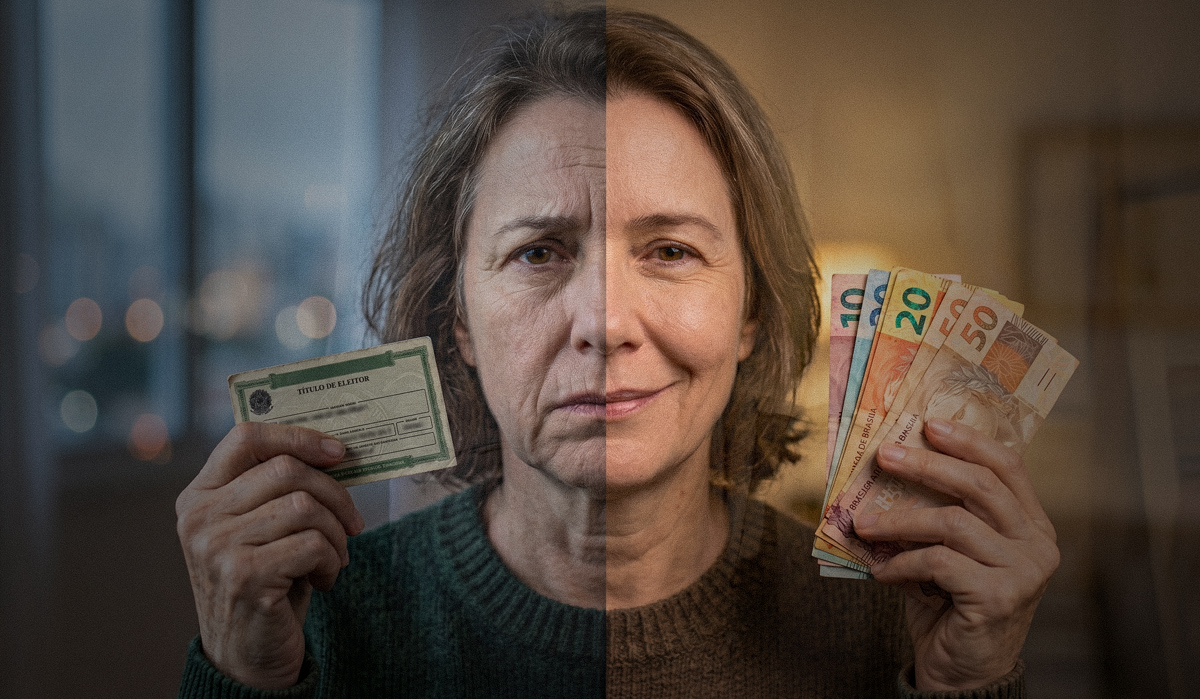
For decades, it was believed that elections were essentially economic referendums. But Brazil and the United States are beginning to suggest that this relationship may be changing. For much of the 20th century, democratic politics seemed to follow a simple rule: when the economy

The Tyranny of Glass: How the Obsession with Transparency Has Shattered Modern Trust

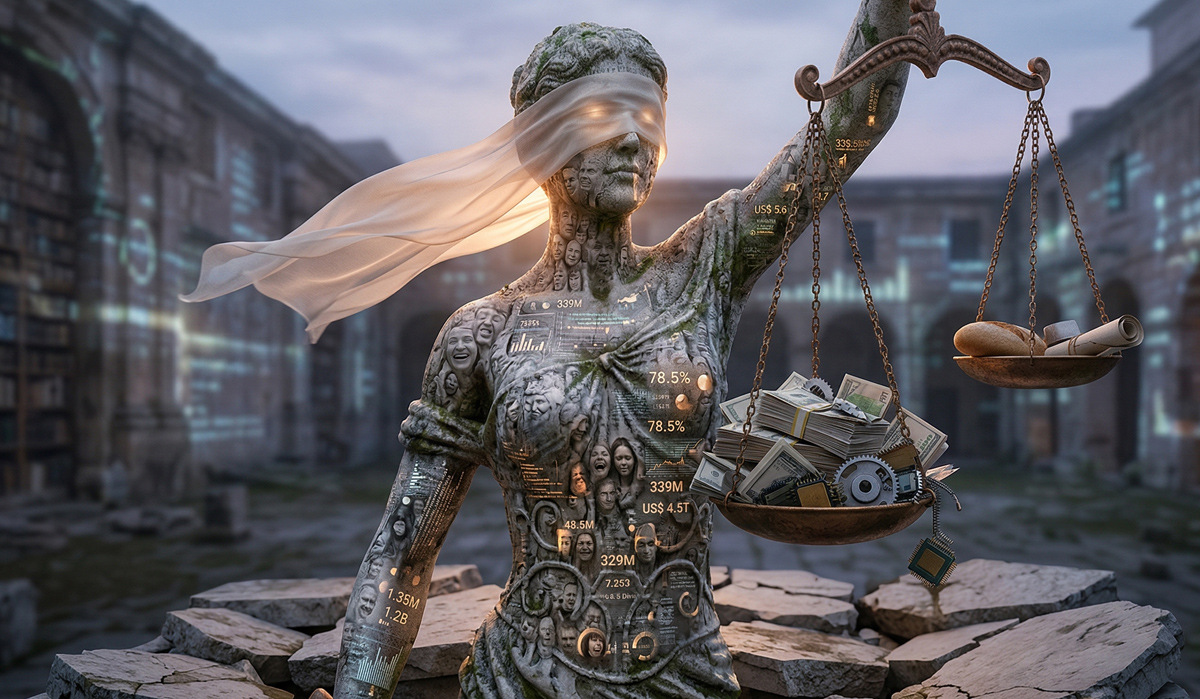
If sunlight is the best disinfectant, as U.S. Supreme Court Justice Louis D. Brandeis asserted in 1914 while advocating for transparency to prevent abuses of power, why does our society today seem blind in the face of such clarity? We are living in

In 10 years, 50% of companies listed on the stock exchange will no longer exist

Technology, new financing models, and changes in governance are reshaping the capital markets. If an investor were to go back to the early 1990s and look at the world’s largest companies, they would likely conclude that many of them would dominate the global economy for long periods. Almost

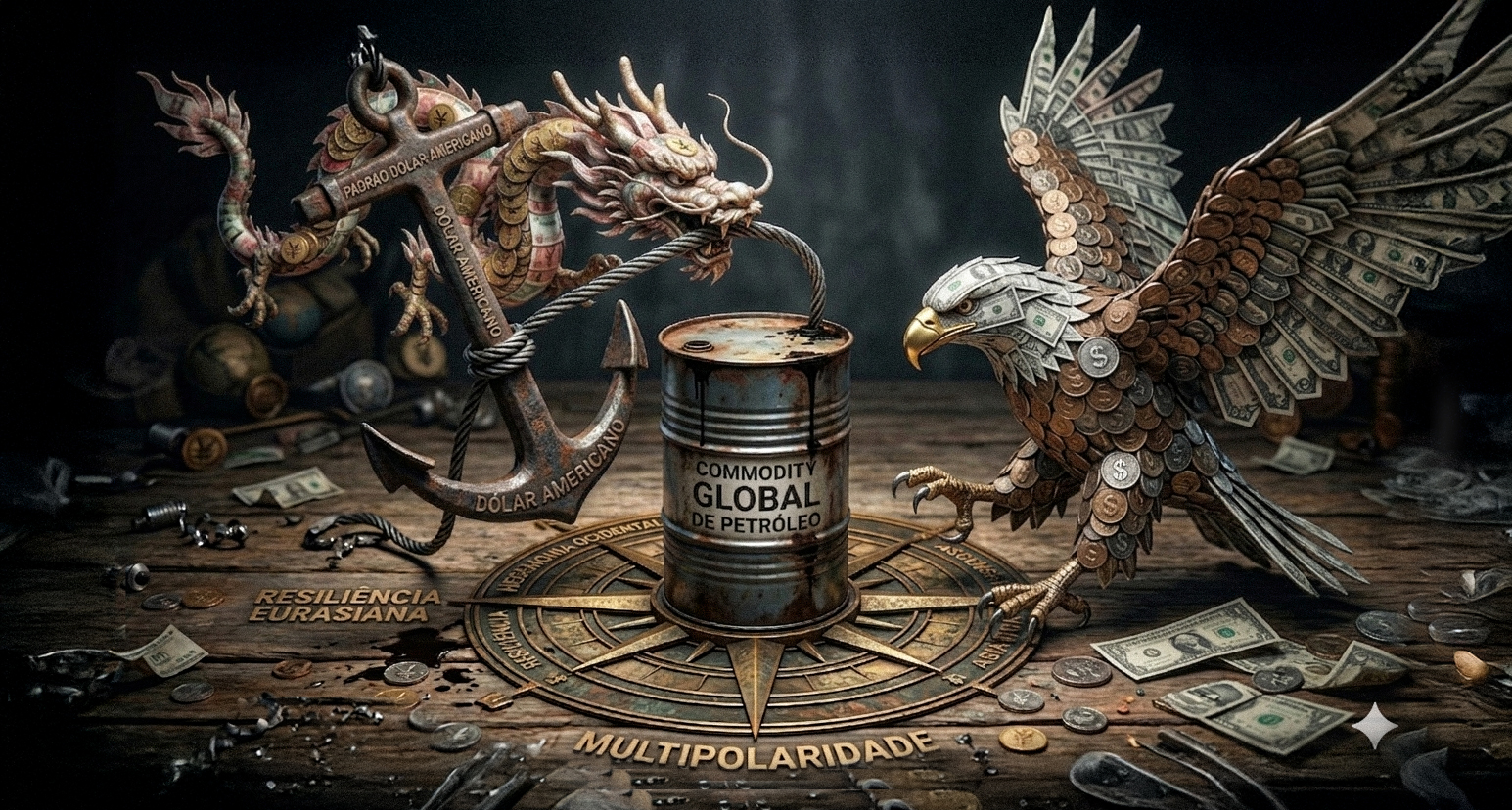
The Matrix of Power: Why the petrodollar dictates the rules of the global game

Far beyond the narratives of heroes and villains, discover how war destroys the global economy and international law. An urgent examination of the collapse of our civilization.

The Hidden Cost of War: Human, Economic, and Legal Consequences

Analysis of the war should not be guided by political sympathies, but by the urgent need to expose its drastic global costs and our complacent indifference in the face of the collapse of civilization.

Part III – Brazil in the Global Arena: Between Strengths and Weaknesses

While the first stage established the need for realism and the second defined its institutional constraints, this third stage highlights the strategic consequence of internal instability: the loss of international influence.